Personalized Deck Creations: Enhance Your Home's Exterior Appeal
Custom deck designs play a fundamental role in elevating the exterior beauty of a residence. They can complement architectural styles and integrate beautifully with the natural landscape. By choosing the right materials and essential features, homeowners can create inviting spaces that balance functionality with aesthetic appeal. However, the choices made in design and integration may significantly influence the property's overall value and appeal. Understanding these elements is crucial for any homeowner considering this upgrade.
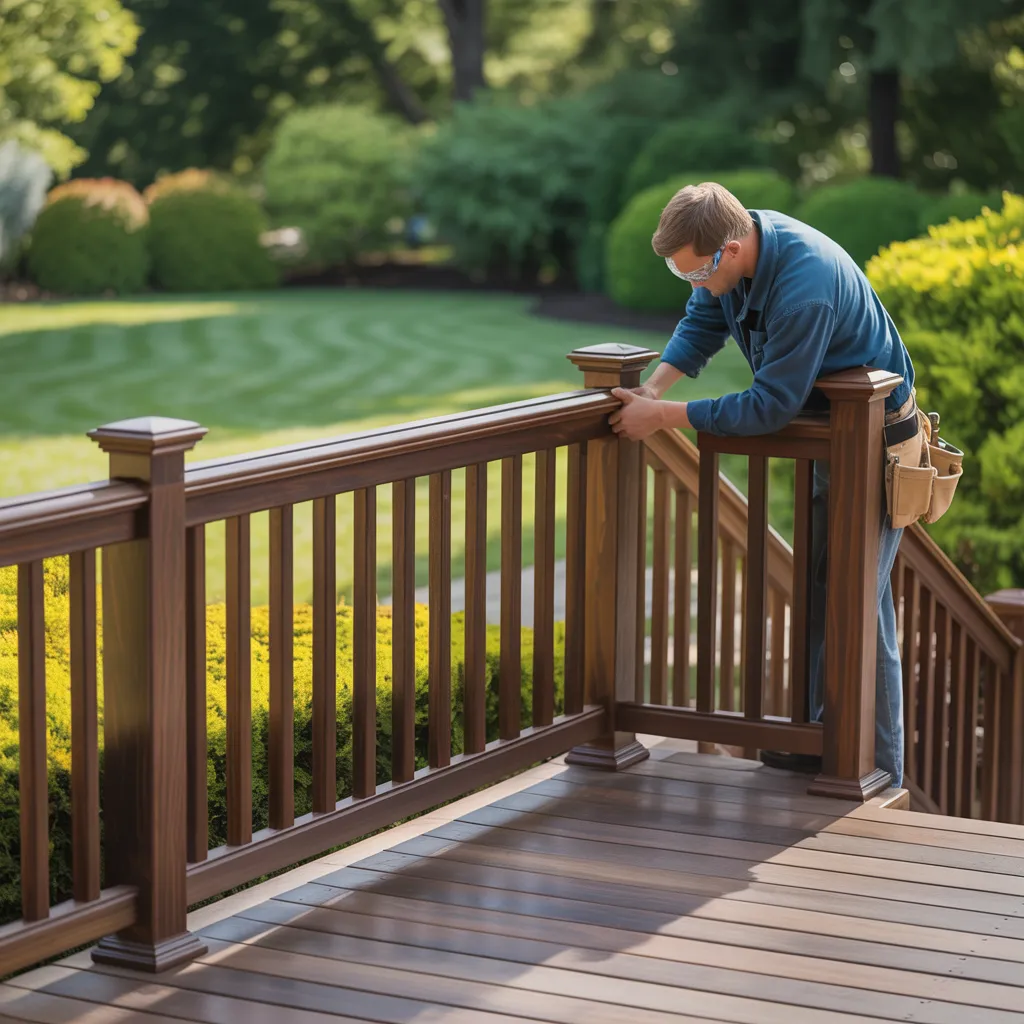
Unique Deck Designs for Your Home's Visual Appeal
How do homeowners go about finding the right deck style to improve their property? The process starts by assessing the architectural style of the home. Contemporary homes are often enhanced by clean, minimalist aesthetics, while homes with a traditional character tend to look great with ornate, classic designs. It is equally important for homeowners to factor in the landscape surrounding their property. A rustic deck featuring natural materials can seamlessly blend with a wooded area, while a contemporary space may call for geometric patterns.
Practicality also plays a key role; decks intended for hosting gatherings may feature built-in seating and railings, while ones designed for unwinding may focus on privacy and shade. Color palettes ought to harmonize with the home's exterior, creating a cohesive look.
In the end, a thoughtfully picked deck configuration not only improves the home's visual appeal but also enhances the complete outdoor enjoyment, making deliberate design selections crucial for residents aiming to establish an inviting outdoor area.
Components That Boost Longevity and Aesthetics
In the domain of custom deck designs, the choice of materials is crucial for balancing durability and aesthetic appeal. Composite deck options deliver a blend of resilience and low maintenance, while natural wood options bring timeless beauty. Moreover, innovative material combinations can generate unique finishes that enhance both functionality and visual impact.
Composite Decking Benefits
Though conventional wood decking has historically been preferred for its natural charm, composite decking has established itself as an exceptional choice due to its outstanding benefits in durability and visual appeal. Made from a blend of recycled wood fibers and plastic, composite decking stands up to fading, staining, and warping, ensuring a long-lasting surface that can withstand various weather conditions. This minimal-upkeep solution removes the necessity for routine sealing, painting, or staining, saving homeowners time and money. Furthermore, composite materials provide an extensive selection of colors and finishes, permitting tailored designs that improve any outdoor living space. In the end, composite decking merges the aesthetic charm of wood with the toughness of synthetic materials, making it an increasingly popular choice for modern homeowners.
Natural Timber Selections
While composite decking provides many benefits, natural wood options remain a favored choice for those seeking aesthetic warmth and timeless beauty in their outdoor spaces. Varieties including cedar, redwood, and teak are widely favored for their rich colors and unique grain patterns, offering an organic sophistication that man-made materials frequently cannot replicate. Such timber varieties not only elevate the aesthetic quality but also demonstrate natural resilience with appropriate care. Treatments like sealants and stains can further protect against moisture and UV damage, increasing the durability of the decking surface. Additionally, the environmental sustainability of responsibly sourced timber appeals to eco-conscious homeowners. In summary, natural wood selections offer an impressive combination of elegance and durability, rendering them an outstanding option for personalized exterior projects.
Groundbreaking Material Combinations
Combining different components can elevate the longevity and visual charm of custom deck designs. By integrating composite decking with natural wood, property owners achieve a equilibrium between beauty and longevity. Composite materials are impervious to rot and discoloration, while wood adds a rich, organic aesthetic. In addition, incorporating metal elements, such as frames or guardrails, improves stability and updates the overall aesthetic. Stone elements can be applied to steps or borders, creating a striking contrast that elevates the design. These unique combinations not only resist the elements but also produce a visually stunning outdoor area. In the end, picking the right combination of materials allows for tailored, durable decks that complement the property's design and natural surroundings.
Essential Features for a Comfortable and Functional Deck
When planning a deck, including key features is crucial for guaranteeing both comfort and practicality. A well-planned layout is significant, providing sufficient space for seating, dining, and circulation. Comfortable furniture, such as weather-resistant chairs and loungers, enhances relaxation while inviting guests jump in to linger.
Adding shade structures, such as shade sails or pergolas, shields from harsh sunlight, ensuring the space remains comfortable throughout the warmer months. Additionally, adding fixed planter boxes introduces lush vegetation, enhancing the visual appeal while offering a relaxing environment.
Illumination serves an important purpose as well; carefully positioned fixtures can improve safety and atmosphere during nighttime gatherings. Furthermore, adding storage options, like benches featuring built-in compartments, can help keep the deck neat and free of clutter. By deliberately incorporating these additions, homeowners can design a deck that is functional and welcoming, turning outdoor spaces into seamless extensions of the home.
Enhance Your Home's Value With Custom Decks
Custom decks have the potential to significantly boost a home's market value, making them a wise investment for homeowners. These exterior enhancements not only improve the visual appeal of a property but also create usable space for unwinding and hosting guests. A professionally designed custom deck can attract potential buyers, reflecting superior quality and meticulous design.
Real estate experts often note that properties featuring attractive outdoor areas tend to sell faster and for higher prices. Additions like built-in seating, stylish railings, and high-quality materials can significantly boost a property's attractiveness. Additionally, a custom deck expands living space, allowing homeowners to enjoy outdoor activities year-round.
In addition, decks can be adapted to suit diverse lifestyles, whether for gatherings with loved ones or tranquil getaways, effectively extending overall market appeal. At its core, investing in a custom deck not only improves the homeowner's living experience but also serves as a strategic move to enhance overall property value.
Ways to Integrate Landscaping With Your Custom Deck
Merging landscaping elements with a custom deck elevates both beauty and functionality. By coordinating design features, picking the right plants, and optimizing outdoor movement, homeowners can develop a seamless outdoor area. This deliberate strategy not only enhances the deck's visual appeal but also increases the overall pleasure of the space.
Unifying Design Features
Even though a beautifully constructed deck can shine independently, the genuine appeal lies in how it blends into the neighboring environment. To achieve this, the deck's materials and colors should align with the organic elements nearby, forming a natural bridge between the interior and exterior. Incorporating architectural features, such as posts or balustrades, that mirror the aesthetic of adjacent structures deepens this sense of harmony. Moreover, taking the deck's form relative to the natural terrain into account is important; sweeping curves can replicate organic forms, while clean lines may coordinate with structured landscaping. Lastly, the placement of the deck should maximize views and sunlight, ensuring it becomes an integral part of the landscape rather than an isolated structure. This careful blending enriches the overall beauty of the deck and its surroundings.
Strategies for Plant Selection
Selecting the ideal plants can significantly improve the relationship between a personalized deck and its surrounding landscape. Careful plant selection not only complements the deck's style but also promotes a natural shift between indoor and outdoor spaces. Locally adapted plants are often favored for their adaptability and low maintenance, ensuring that the surrounding greenery flourishes with little effort. Integrating different heights, textures, and colors can produce an engaging aesthetic dimension around the deck. For example, lofty ornamental grasses can soften hard edges, while colorful blooming plants introduce periodic bursts of color. Additionally, using planters or vertical gardens can maximize space and bring in natural elements without overpowering the design. Ultimately, deliberate planting decisions contribute to a balanced outdoor environment that enhances the complete property appeal.
Improving Outdoor Flow
To improve outdoor connectivity, homeowners should think about how landscaping can seamlessly connect with their custom deck. Strategically combining plants, pathways, and hardscapes can establish a unified space that links the inside and outside of the home. Incorporating native plants offers not only decorative charm but also reduces upkeep. Thoughtfully arranged garden beds or shrubs can smooth the deck's borders, while ornamental grasses may add movement and texture. Furthermore, adding a defined pathway leading to the deck invites discovery of the outdoor space. Structures including trellises or archways can maximize vertical dimensions, directing attention skyward and developing a welcoming atmosphere. In the end, a thoughtfully designed landscape enhances the deck's functionality and elevates the overall outdoor experience.
Advice for Working With a Professional Deck Designer
Working effectively with a skilled deck designer can significantly improve the results of a project. To ensure a successful partnership, homeowners ought to start by precisely communicating their vision, including the styles, materials, and functions they have in mind. Providing inspirational photos can offer a visual guide that helps the designer grasp your preferences.
Maintaining open communication is essential; regular check-ins can help address any concerns or adjustments needed throughout the design process. Homeowners should also be receptive to expert advice, as skilled designers contribute essential expertise concerning structural considerations and regional regulations.
Defining a clear budget at the outset allows the designer to propose options that align with financial parameters. Additionally, setting a clear timeline aids in setting realistic expectations and maintaining project momentum. By applying these guidelines, homeowners can foster a productive relationship with their deck designer, ultimately resulting in a beautiful and functional outdoor space.
Answers to Your Most Common Questions
How Much Time Does a Custom Deck Project Usually Require?
A custom deck project typically takes anywhere from two to six weeks, depending on factors such as design intricacy, material selection, and prevailing weather conditions. Thorough planning and careful scheduling can effectively streamline the building process.
What Permits Are Required for Building a Custom Deck?
Creating a custom deck generally necessitates obtaining various permits, including zoning clearances, structural permits, and possibly environmental reviews. Regional requirements vary, so speaking with local regulatory bodies guarantees compliance with every applicable requirement for building.
Is It Possible to Add Lighting Features to My Custom Deck?
Indeed, lighting elements can enhance a personalized deck. Various options, including solar fixtures and LED lights, improve aesthetics and functionality, creating a welcoming atmosphere for evening entertainment while maintaining safety and visibility.
What Is the Typical Cost of a Custom Deck?
The typical cost of a custom deck generally falls in the range of $15 to $35 per square foot, depending on materials, design complexity, and installation factors. Homeowners need to account for these factors when planning their project budgets.
How Should I Care for My Custom Deck Over Time?
To keep a personalized deck for years to come, routine cleaning, sealing, and damage inspection are necessary. Using protective coatings and quickly handling repairs can greatly extend its lifespan and preserve its aesthetic appeal.